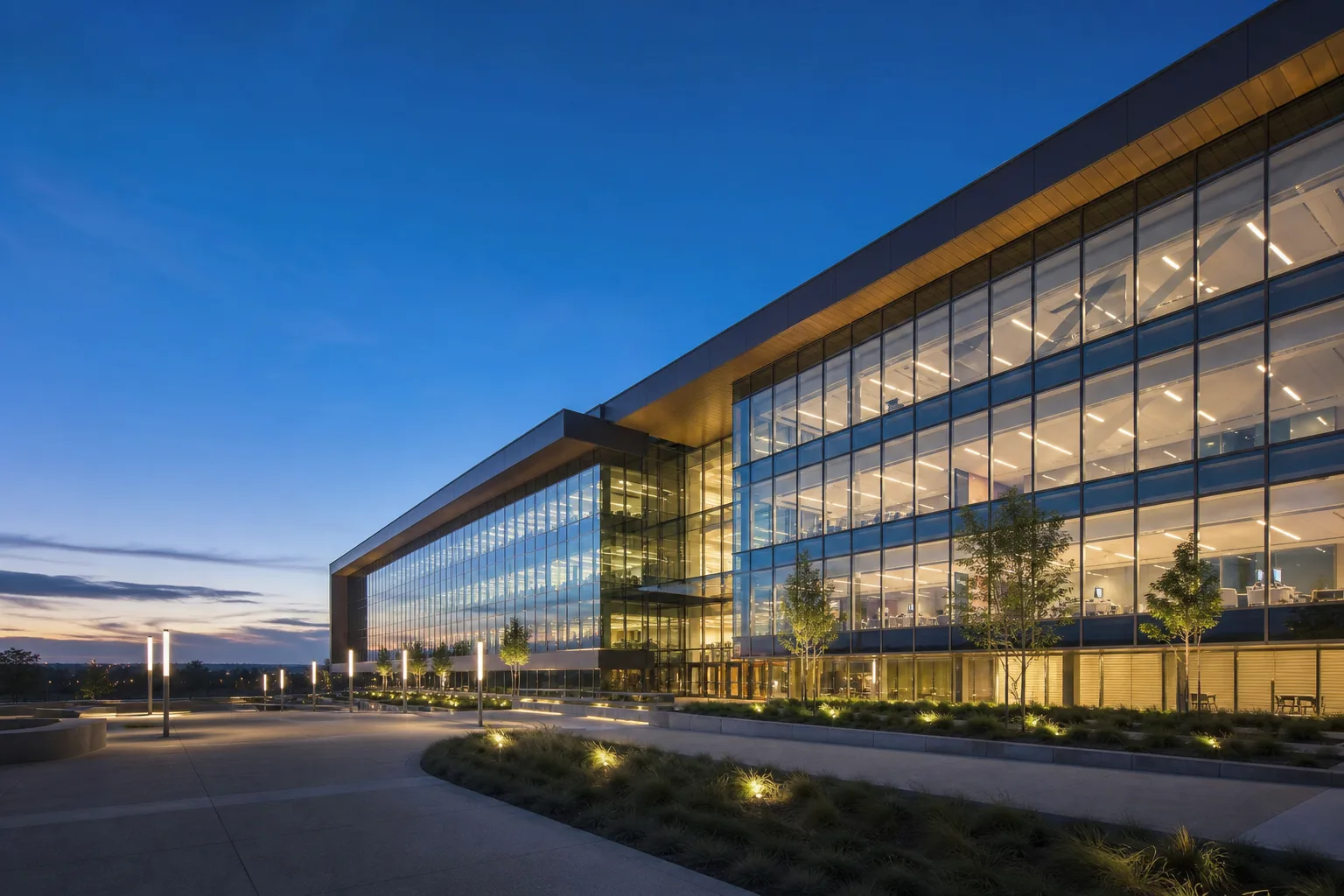
Enterprise technology headquarters representing Chapman Digital engineering legacy
Industries we serve

Verticals

The industries we serve include, but are not limited to, healthcare, construction, manufacturing, finance, government, and technology. We apply cloud engineering, cybersecurity, managed IT, AI automation, and software development to the way your organization works.

Different industries. Practical engineering.

Built around how you work

A hospital's access requirements, a contractor's field workflows, and a software team's release process call for different solutions. We start with your systems, people, and responsibilities, then scope the engineering and support around them.

Our work connects three areas: secure cloud and infrastructure, AI automation and custom software, and cybersecurity and managed IT. That can mean modernizing a legacy application, connecting existing business tools, or making daily operations easier to support.

Experience and additional fit

Client industry
An industry where we have client experience. The label describes the industry, without identifying a client.
Additional fit
An adjacent industry whose needs align with our services. Inclusion is not a claim of a past client engagement.

Healthcare

Reliable access to patient information, protected communications, and resilient infrastructure, from a private practice to a hospital.

Client industry

Independent medical practices

Private physician practices need dependable IT without adding a full internal team. Secure email and Microsoft 365 administration, endpoint and identity protection, monitored support, and backup and recovery can keep staff connected to their practice applications and patient information.

Compliance considerations

For practices regulated by HIPAA, address access logs, safeguards for electronic protected health information, and vendor responsibilities, including appropriate business associate agreements (BAAs).

Client industry

Hospitals

Hospital IT teams balance staff access, high availability, and complex clinical and administrative environments. Cloud and hybrid migration, security architecture, threat monitoring, and recovery planning can support their existing teams, with application changes coordinated through the hospital's clinical system vendors.

Compliance considerations

HIPAA-related work includes protecting electronic patient information, documenting technical controls, and coordinating incident and recovery procedures with the hospital's compliance team.

Additional fit

Dental offices & specialty clinics

Dental, optometry, rehabilitation, and other specialty clinics depend on scheduling, records access, and connected office systems. Endpoint protection, secure remote access, Microsoft 365 administration, and backup management can support that workflow alongside the clinic's software vendors.

Compliance considerations

Where HIPAA applies, scope privacy and security controls around the patient information each system handles and the services each vendor provides.

Additional fit

Outpatient & behavioral health providers

Counseling groups, outpatient centers, and therapy practices need private collaboration and reliable access across locations. Cloud access controls, device management, and staff support can help keep sensitive records within authorized workflows.

Compliance considerations

Plan for HIPAA safeguards where applicable and confirm any additional confidentiality requirements for the records involved with the provider's advisors.

Additional fit

Telehealth, health technology & medical billing

Telehealth providers, health software vendors, and medical billing or revenue cycle firms need secure cloud systems and dependable administrative data flows. Application integration, workflow automation, monitoring, and recovery planning can connect approved systems while keeping access and data handling within the agreed scope.

Compliance considerations

When electronic protected health information is involved, identify HIPAA responsibilities, required BAAs, and approved data flows before connecting cloud services or introducing AI workflows.

HHS guidance on HIPAA and cloud services
Healthcare security and infrastructure support

Financial services

Keep financial information available to authorized teams, with controls shaped around the firm's activities and regulatory status.

Client industry

Finance & financial services businesses

Finance businesses managing sensitive customer and transaction information need traceable access, dependable applications, and recoverable records. Cloud infrastructure, monitoring, encrypted backups, and identity controls can support those operational needs.

Compliance considerations

Requirements depend on the firm's activities, registrations, and jurisdiction; SEC obligations do not apply identically to every financial organization.

Additional fit

Financial advisors & investment firms

Advisory and investment teams need protected client communications, controlled document access, and documented response procedures. Security configuration, access reviews, logging, and recovery planning can support the technical controls their compliance program requires.

Compliance considerations

For investment advisers registered with the SEC and other covered institutions, Regulation S-P addresses safeguards for customer information and incident response. Applicable recordkeeping obligations also need to inform system design.

Additional fit

Insurance agencies & brokerages

Insurance teams handle applications, policy documents, and sensitive claims information across staff and carriers. Microsoft 365 hardening, secure file exchange, backups, device protection, and access reviews can reduce exposure while workflow automation limits repeated handling of client information.

Compliance considerations

Coordinate privacy, retention, and information-security requirements with the agency's carriers and advisors; obligations vary by activity and state.

Additional fit

Fintech & payment businesses

Fintech product teams and payment service providers need scalable cloud architecture, dependable integrations, and secure releases. Cloud engineering, deployment automation, application security, threat monitoring, and control documentation can support product delivery and the security commitments made to customers.

Compliance considerations

PCI DSS scope depends on payment data flows and whether a service can affect payment data security. Confirm responsibilities with the relevant payment and assessment teams.

PCI SSC guidance on service provider scope
Security controls and readiness support

Accounting

Support work shaped by filing deadlines with dependable applications, protected client documents, and fewer manual handoffs between systems.

Additional fit

CPA firms & tax preparation businesses

Accounting and tax teams need reliable applications, protected client portals, and capacity for filing periods. Microsoft 365 administration, managed workstations, multifactor authentication, backups, and integrations through supported application interfaces can support client intake and safeguards for taxpayer information.

Additional fit

Bookkeeping & outsourced finance teams

Bookkeepers and outsourced accounting or CFO teams work across multiple client accounts and reporting cycles. Separate permissions, cloud administration, and application integration can support client onboarding, document intake, data entry, and recurring reports while keeping each client's information appropriately restricted.

Managed IT, backup, and application support

Professional services

Help project-based businesses share knowledge, deliver client work, and scale operations without multiplying disconnected tools.

Additional fit

Consultants & advisory firms

Consulting teams need searchable project knowledge, secure client workspaces, and consistent onboarding. Cloud collaboration, document search that respects access permissions, and workflow automation can reduce administrative effort while respecting client confidentiality and restrictions on data use.

Additional fit

Marketing agencies & design firms

Creative and marketing teams move assets, approvals, and campaign information between people and platforms. Microsoft 365 collaboration, project tool integrations, publishing workflows, and managed cloud access can streamline delivery while protecting client accounts, intellectual property, and licensed materials.

Additional fit

Staffing & business services firms

Recruiting and business support teams coordinate client requests, candidate files, and repeated administrative tasks. Secure intake tools, system integrations, and role-based access can improve handoffs while limiting access to personal and contractual information.

Additional fit

Engineering, architecture & technical project firms

Engineering consultancies, architecture practices, and other technical project firms coordinate drawings, revisions, and deliverables across clients and distributed teams. Cloud collaboration, document access controls, project application integrations, and workflow automation can support those handoffs while protecting customer files and design information.

AI and workflow automation

Manufacturing

Connect the business systems behind production, purchasing, and delivery with reliable infrastructure and clear ownership of access and recovery.

Client industry

Manufacturers & production facilities

Manufacturers need dependable business applications, production office connectivity, and access to operational records. Server and cloud management, monitoring, backups, and integration through approved ERP and production data interfaces can support purchasing, reporting, and continuity.

Compliance considerations

Plant specialists must define and approve boundaries between business IT and operational technology before shared data or connectivity work. Control system design and changes remain with those specialists.

Additional fit

Fabricators & industrial suppliers

Fabrication shops and component suppliers manage quotations, drawings, purchasing, quality information, and deliveries. Secure document collaboration, data pipelines, and reporting dashboards using approved exports or interfaces can improve operational visibility while protecting design files and customer requirements.

Cloud and infrastructure engineering

Government

Support public services with maintainable systems, controlled staff access, and practical plans for outages and data recovery.

Client industry

Small municipalities & local governments

Small governments often maintain department systems with limited internal IT capacity. Managed IT, Microsoft 365 and identity administration, cloud migration, endpoint protection, and disaster recovery planning can support service continuity and public record retention and access policies.

Additional fit

Public agencies & special districts

Public departments, authorities, and districts coordinate records, contractors, and resident services. Technology roadmaps, custom web tools, identity management, and infrastructure monitoring can support modernization, with accessibility, procurement, retention, and any public safety data requirements defined by the agency.

Managed systems and operational support

Nonprofits

Make limited resources go further with manageable technology, reliable collaboration, and careful handling of donor and participant information.

Additional fit

Charities & community organizations

Food pantries, outreach organizations, and service charities coordinate volunteers, requests, and program records. Microsoft 365, shared workspaces, secure forms, backups, and workflow automation can reduce administrative work while keeping participant and donor information appropriately restricted.

Compliance considerations

Online giving introduces payment data responsibilities. PCI DSS scope and shared responsibilities depend on how donations are processed and which providers handle the information.

Additional fit

Foundations & membership organizations

Foundations, associations, and grantmaking organizations manage applications, member communications, donor records, and reporting. System integrations, grant tracking, AI-assisted reporting workflows, and managed access can reduce repeated administration while supporting grant conditions, donor privacy, and retention policies.

Practical cloud and IT support

Retail & hospitality

Keep customer-facing locations and online operations connected, with reliable systems behind transactions, bookings, and staff collaboration.

Additional fit

Retail stores & e-commerce businesses

Independent shops and online retailers need consistent inventory information, dependable storefronts, and secure point-of-sale connectivity. Web development, cloud hosting, network and endpoint protection, application integration, and monitoring can connect sales workflows and keep staff access controlled.

Compliance considerations

Card payment environments bring PCI DSS considerations, including responsibilities shared with payment providers. Scope depends on how payment data and connected systems are handled.

Additional fit

Restaurants & food service operators

Restaurants and food businesses with several locations depend on Wi-Fi, ordering platforms, and point-of-sale connections. Network and endpoint management, separation of guest access, monitoring, and backup planning can support operations alongside the restaurant's payment and ordering vendors.

Additional fit

Hotels & accommodation providers

Hotels, inns, and lodging operators coordinate reservations, front desk work, and guest information across shifts. Account administration, managed devices, secure guest network access, and integrations through approved reservation system interfaces can support continuity while separating guest, staff, and payment information.

Web applications and system integration

Real estate

Bring mobile teams, property information, and transaction documents together with clearer workflows and controlled access.

Additional fit

Real estate agencies & brokerages

Agents and brokerages move between listings, client communications, and transaction files. Business websites, CRM and listing tool integrations through supported interfaces, mobile device protection, and encrypted file sharing can connect that work. Email and identity controls also address exposure to transaction and wire fraud.

Additional fit

Property managers & real estate operators

Property management and ownership teams coordinate tenant requests, vendors, documents, and recurring reporting. Custom portals, workflow automation, and access management can reduce handoffs while limiting exposure of tenant information and confidential financial records.

Custom tools and connected workflows

Construction

Keep office and field teams working from current information, with different priorities for commercial, industrial, and residential projects.

Client industry

Commercial construction

Commercial builders and general contractors coordinate subcontractors, drawings, estimates, and project platforms. Cloud collaboration, secure document control, field connectivity, managed devices, and backup planning can connect office and site teams while supporting project confidentiality and contractual access requirements.

Client industry

Industrial construction

Industrial contractors coordinate engineering documents, schedules, safety records, and multiple organizations across complex sites. Secure remote access, application integration, reporting pipelines, and resilient business infrastructure can support project coordination, with site security and customer requirements scoped before implementation.

Client industry

Residential construction

Homebuilders, remodelers, and residential contractors manage inquiries, estimates, selections, and customer documents. Business websites, CRM and estimating application connections, mobile access, cloud workspaces, and dependable backups can link office and field work while protecting homeowner information and project records.

Cloud collaboration and business infrastructure

Energy

Support distributed energy businesses through secure business IT, resilient cloud systems, and more consistent information flow.

Client industry

Oil & gas

Oil and gas businesses coordinate field offices, contractors, legacy applications, and distributed teams. Cloud and hybrid infrastructure, legacy modernization, reporting pipelines, monitoring, and recovery planning can support business systems, with operational control environments coordinated through the customer's specialist teams.

Additional fit

Renewable energy & energy service providers

Renewable developers, energy service firms, and supporting suppliers manage projects, customer information, and vendor reporting. Cloud workspaces, application integration, and access controls can connect those business processes while accommodating customer and contractual security requirements.

Additional fit

Utilities & energy infrastructure organizations

Utility providers and infrastructure operators need reliable business applications, monitored systems, and controlled access across locations. Cloud modernization, identity management, backup planning, and business reporting can support those needs in coordination with the utility's operational and security specialists.

Compliance considerations

Where NERC CIP applies to Bulk Electric System cyber systems, the utility must define requirements and specialist responsibilities before related IT work. Applicability is specific to the systems and activities involved.

NERC Critical Infrastructure Protection standards
Secure cloud architecture and operations

Technology

Help technology teams architect, migrate, secure, and operate cloud infrastructure and software, with delivery pipelines that support reliable product and internal service operations.

Client industry

Enterprise & Fortune 500 technology

Enterprise technology organizations, including Fortune 500 companies, need controlled deployments, scalable infrastructure, and clear operational ownership. Experience in this sector includes work involving AWS and Google Cloud environments; cloud engineering, DevOps, and security controls support those needs.

Additional fit

SaaS & software businesses

SaaS, product, and cloud software companies need repeatable releases, observable applications, and infrastructure that can grow with demand. CI/CD automation, security controls in delivery pipelines, platform engineering, and performance monitoring can support product delivery and customer assurance requirements.

Compliance considerations

SOC 2 readiness can involve control implementation, operating evidence, and customer security documentation. Our technical preparation supports the organization; the SOC 2 examination is performed by an independent licensed CPA.

AICPA information on SOC examinations
Additional fit

Cloud & data platform businesses

Platform builders and data-focused businesses manage integrations, changing workloads, and complex access boundaries. Cloud architecture, custom software, data infrastructure, and AI integration can support reliable services while maintaining control over sensitive customer information.

DevOps and infrastructure automation

Across every vertical

Information security & compliance support

Our cybersecurity, cloud, and managed IT services help organizations put practical security controls into operation. The scope starts with the information you handle, the systems you run, and the requirements your organization needs to address.

Assess & architect

Review infrastructure, access, and security risks. Translate the organization's requirements into an architecture and practical priorities with clear responsibilities.

Protect identities & data

Configure identity controls, endpoint protection, patching, encryption, and backups around the information your organization handles and the threats it faces.

Monitor & respond

Connect infrastructure monitoring, vulnerability management, alerting, and incident procedures to the agreed support scope, with defined response and recovery responsibilities.

Document & prepare

Document agreed controls, policies, incident procedures, and recovery plans to support internal reviews and independent audit preparation.

Supporting an ISO/IEC 27001 program

ISO/IEC 27001 defines requirements for an information security management system. For organizations pursuing this framework, our technical implementation, control documentation, and audit preparation can support selected parts of a broader security program owned by your organization.

Depending on the engagement, the same services can support NIST security guidance, SOC 2 readiness, HIPAA safeguards, and PCI DSS payment security requirements. Where GDPR applies, privacy, retention, and data access obligations should also inform the design; your legal and compliance advisors establish which requirements apply.

Engagements are scoped to agreed technical and readiness work. This support does not establish or guarantee HIPAA or SEC compliance or ISO/IEC 27001 certification. Legal interpretation, regulatory applicability, and independent assessment remain with your organization's appropriate advisors and assessors.

Let's talk about your organization's needs

Tell us about your environment, the outcomes you're working toward, and the compliance pressures you face. You'll speak with a technical practitioner who can help define a practical scope for your organization, whether or not your industry appears above.